
Moving-In Checklist: Everything You Need to Know Before Moving Day
 Confirm Your Move-In Date
Refer to your tenancy agreement to check your official move-in date. Once confirmed, get in touch with our team to book a convenient check-in appointment; where we’ll go over essential details about the property and give you the keys.
Review Safety Certificates
All your legal safety documents – such as the Gas Safety Certificate, Electrical Safety Report, and EPC – are available in your Street.co.uk portal. We’ve also emailed them to you for quick access.
Get Contents Insurance
While your landlord’s insurance covers the building, we recommend arranging your own contents insurance to protect your belongings in case of theft, fire, or accidental damage.
Read Your Payment Schedule
Your rent payment schedule includes information on rent and deposit amounts, tenancy dates, details on how to make payments, moving-in details and a copy of our CMP (client money protection) certificate.
Plan Your Move
Book a trusted removal company or ask friends and family to help. Prepare boxes in advance and consider parking access for moving day.
Collect Your Keys
Your keys will be handed over at your check-in appointment. We’ll also go through any last-minute questions and ensure you’re happy with everything before you move in.
Update Your Address
Notify your employer, GP, bank, DVLA, school/university, and any subscription services. You can also use Royal Mail’s redirection service for added peace of mind.
Check the Inventory Report
You’ll be emailed a detailed inventory. Take time to go through it and flag any discrepancies within 7 days of moving in. This helps avoid issues when it’s time to move out.
Moving-Out Checklist – Making Moving Stress-free
Give Notice in Writing
Double-check your tenancy agreement for the correct notice period. When you’re ready, email us to officially confirm your intention to move out.
Notify Utility Providers
Let your gas, electricity, water, internet, and TV licensing providers know you’re moving. Take final meter readings and arrange to settle your accounts. If your property benefits from being bills inclusive, please send these readings to us via email.
Update Your Address
Inform your bank, post office (for post redirection), GP, employer, and council tax office of your move.
Final Inspection
We’ll arrange a check-out inspection once keys have been returned to review the condition of the property against the inventory and discuss your deposit return.
Report Any Outstanding Issues
Let us know about any unresolved maintenance issues so they can be recorded before you leave.
Deep Clean the Property
Give the property a thorough clean: carpets, bathrooms, kitchen appliances, windows, and floors. If the property is furnished, ensure these are cleaned. Consider hiring a professional cleaner if needed.
Return Your Keys
Make sure all keys are returned by the last day of your tenancy; this includes window locks, shed keys, and any fobs.
Take Photos
Take clear, date-stamped photos of each room to document the final condition of the property.
Discuss Your Deposit Return
Your deposit will be returned in line with your tenancy agreement. We’ll explain the process and help resolve any deductions fairly and transparently.
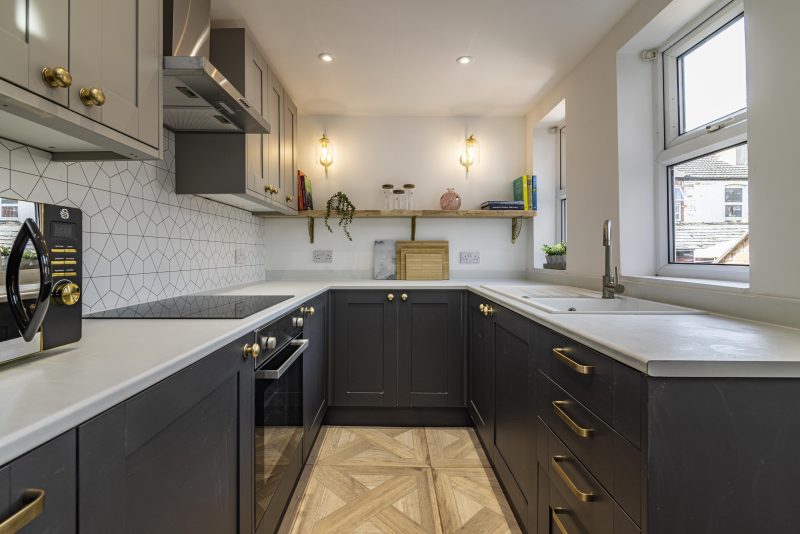
Spring Clean Your Home – Refresh Your Living Space
You don’t just have to wait until Spring to give your house a good clean, keeping on top of cleaning doesn’t just help keep the property clean and tidy, it also improves the space you live in for your enjoyment.
Kitchen
- Clean inside and behind appliances (fridge, oven, microwave)
- Wipe down cupboards and worktops
- Defrost the freezer and dispose of expired food
- Mop floors and clean extractor fans
Bathroom
- Scrub tiles, grout, toilet, and basin
- Clean mirrors for a streak-free finish
- Wash bath mats and shower curtains
- Clear out expired toiletries and clean storage areas
Living Areas and Bedrooms
- Dust skirting boards, light fittings, and surfaces
- Vacuum thoroughly and mop hard floors
- Wash or dust curtains and blinds
- Vacuum mattresses
- Declutter wardrobes and drawers
Windows and Doors
- Clean windows and window frames both inside and out
- Wipe down door handles and frames
Outside and Garden
- Keep the area weed free and mow any lawns
General Tips
- Use eco-friendly products where possible
- Open windows for ventilation
- Use microfibre cloths for better dust capture
- Clean one room at a time to stay focused
Your Rights and Responsibilities as a Tenant in England
Your Rights
- Safe Accommodation: Your landlord is responsible for a safe, hazard-free home with functioning smoke alarms and valid safety certificates.
- Quiet Enjoyment: You have the right to live peacefully – your landlord must give notice before entering (except in emergencies).
- Repairs: Major repairs are your landlord’s responsibility – report them as soon as possible.
- Deposit Protection: Your deposit must be held in a government-approved scheme (DPS, TDS, or MyDeposits). At Taylor Ross we use The DPS (Deposit Protection Service),
- Proper Notice: Your landlord (or their agent) must give written notice within legal timeframes to end your tenancy.
Your Responsibilities
- Pay Rent Promptly: Rent should always be paid on time to avoid late fees or tenancy issues.
- Keep the Property Clean: Maintain a reasonable level of cleanliness and look after the property.
- Report Repairs: Report problems quickly before they get worse.
- Be a Good Neighbour: Respect shared spaces and avoid noise disturbances.
- Follow the Rules: Stick to the terms in your tenancy agreement, including policies on pets, subletting, or smoking.
Reporting Repairs – Getting Problems Sorted Quickly
Know What’s Covered
- Check your tenancy agreement to understand which repairs are your responsibility (like changing bulbs or fuses) and which repairs the landlord must handle.
- Report in Writing
- Always use your Street.co.uk portal to report repairs. This creates a record and helps us track progress.
- Describe the Issue Clearly
Provide details like:
- What the problem is and provide photo(s) or a video
- Where it is
- When it started
- Any health or safety concerns
Allow Access
We’ll arrange a convenient time for contractors to attend, it is likely they will contact you directly and please ensure access to affected areas.
Follow Up If Needed
In the unlikely event the issue isn’t resolved within a reasonable timeframe, let us know and we’ll chase it up and keep you informed.
Communicating with Your Landlord or Letting Agent
Be Friendly and Professional
Even if you’re frustrated, keep messages polite and constructive; it helps resolve things faster.
Keep a Paper Trail
Communicate in writing wherever possible so there’s a clear record of what’s been discussed.
Be Specific
Avoid vague messages like “the tap isn’t working” – instead, say “the hot water tap in the kitchen is leaking under the sink.”
Know Your Rights
Understand your legal protections so you can advocate for yourself effectively and respectfully.
Set Realistic Timelines
We’ll do our best to act quickly, but repairs may sometimes take time – especially when parts or contractors are involved.
Respond Quickly
If we or your landlord contact you, try to respond promptly so things don’t get delayed.
Escalate When Needed
If things aren’t progressing, please do contact us and we will happily provide you with an update and ensure a pro-active approach in resolving your repair as soon as possible.
How to Save Energy (and Money!) in Your Rental Home
Why Save Energy?
- Lower your bills
- Reduce your carbon footprint
- Keep your home comfortable all year round
Simple Energy-Saving Tips
Lighting & Appliances
- Use LED bulbs
- Turn off lights, TVs, and chargers when not in use
- Unplug appliances that aren’t needed
Heating
- Use the thermostat wisely – lower it slightly to save a lot
- Keep furniture away from radiators
- Close curtains at night to keep heat in
Water Heating
- Take shorter showers
- Only use hot water when needed
- Don’t leave immersion heaters running unnecessarily
Appliance Use
- Run full loads in the washing machine or dishwasher
- Use eco modes where available
- Avoid using the tumble dryer and air dry clothes instead
Prevent Draughts
- Use draught excluders
- Close internal doors to keep warm air in
Monitor Usage
Some homes have smart meters; use them to track and cut down on high energy usage. If you don’t have a smart meter and pay your own utility bills, you can usually request a smart meter upgrade from your supplier.
Maintenance and Repairs
Report any heating or insulation issues to us so we can help resolve them quickly.
Browse Related Articles:
Explore more insights and tips on property investment. Dive into our articles to help you make more informed decisions in the real estate market.