A Comprehensive Guide to Class Q Planning
At Taylor Ross, we’re passionate about unlocking the full potential of rural and semi-rural properties for our investor and developer clients. One of the most powerful tools available in the world of property development – particularly for those with an eye on countryside opportunities – is Class Q permitted development rights? If you own or are looking to acquire agricultural land or buildings in England, understanding Class Q could turn a modest barn into a high-value residential asset.
In this article, we break down everything you need to know about Class Q – what it is, how it works, its benefits and limitations, and how Taylor Ross can help you maximise its potential as part of a strategic property investment or development project.
What is Class Q Planning?
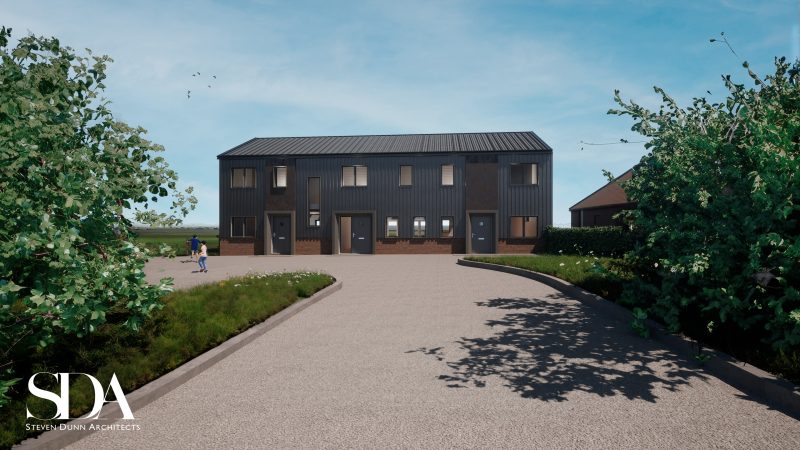
Class Q is a category within the General Permitted Development Order (GPDO) that allows for the conversion of agricultural buildings into residential dwellings without the need for full planning permission. Introduced in 2014 and updated in 2018, Class Q offers a streamlined route for transforming redundant barns and similar structures into habitable homes, subject to meeting specific criteria.
Rather than undergoing the more complex and often uncertain full planning process, developers and landowners can apply under Class Q to change the use of an agricultural building to residential use (C3) – and carry out reasonably necessary building operations to facilitate that change.
What Does Class Q Allow?
Under current guidelines (as of 2025), Class Q allows for:
- Up to 5 smaller dwellings (each up to 100 square metres), or
- Up to 3 larger dwellings (each over 100 square metres but not exceeding 465 square metres total), or
- A mix of both, as long as the cumulative total does not exceed 865 square metres.
Importantly, Class Q does not permit the construction of new buildings – it is strictly for the conversion of existing agricultural buildings. However, it does allow for substantial internal works and partial rebuilding, as long as the structure is deemed capable of conversion.
What Types of Buildings Qualify?
Not every old barn or shed automatically qualifies. Class Q applies only to buildings that were in agricultural use on or before 20 March 2013 (or for ten years if the use began later). Acceptable structures include:
- Steel-framed barns
- Pole barns
- Dutch barns
- Traditional brick barns (usually best suited to full planning or Class L if listed)
The key test is that the building must be structurally capable of conversion without major rebuilding – think of it as “conversion” rather than “reconstruction.” Lightweight cladding can often be replaced, and floors and walls insulated, but if the building requires a new frame or substantial new foundations, it’s unlikely to qualify under Class Q.
Location Limitations
Location Limitations
- Class Q cannot be used in certain locations, including:
- National Parks
- Areas of Outstanding Natural Beauty (AONBs)
- Conservation Areas
- World Heritage Sites
- Sites of Special Scientific Interest (SSSIs)
Also, the building must not be listed or be within the curtilage of a listed building. If your site falls within one of these areas, a full planning application or alternative route like Class R (change to commercial use) may be required.
What is the Application Process?
Rather than a full planning application, a Class Q conversion requires a Prior Approval application submitted to the local planning authority (LPA). This means the council still has the opportunity to assess and either approve or refuse the proposal, but the scope of their review is more limited.
They will assess factors such as:
- Transport and highways impact
- Noise impact
- Flood risk
- Design and external appearance
- Natural light in habitable rooms
- Contamination risks
A successful application results in confirmation of prior approval, and you can then proceed to detailed design and building regulation compliance.
Benefits of Class Q Planning
For investors, developers, and rural landowners, Class Q offers a unique opportunity to unlock hidden value in underused or redundant agricultural buildings. Key benefits include:
 No full planning permission required (saves time and cost)
Residential uplift – barns with Class Q potential can increase significantly in value
Flexible development options – including for sale, letting, or holiday use
Rural lifestyle appeal – ideal for premium countryside living or holiday rental schemes
Streamlined planning route compared to traditional applications
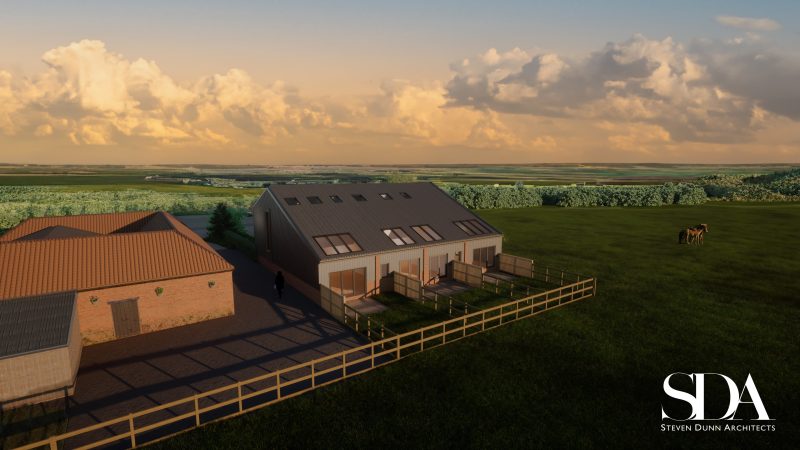
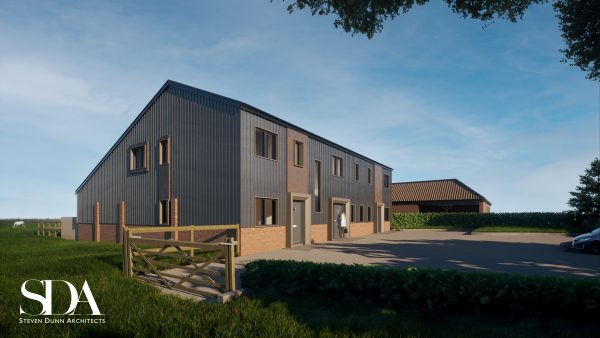
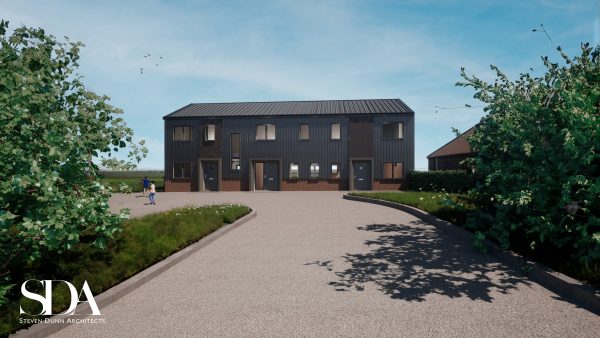
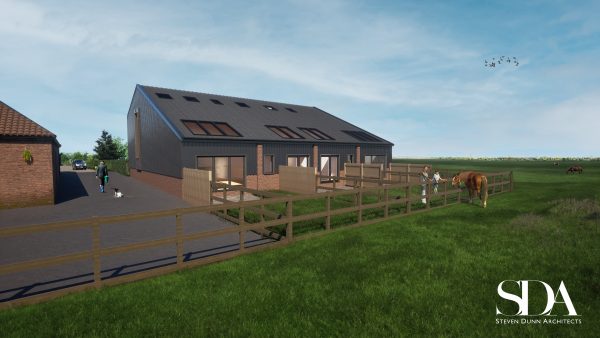
Class Q also allows for more modern and minimalist barn conversions, often more desirable to contemporary buyers and tenants.
Common Pitfalls and Misconceptions
Despite its advantages, Class Q is not a “silver bullet.” Many applications are refused each year due to a misunderstanding of the rules or poor-quality submissions.
Some common pitfalls include:
 Applying for buildings not in lawful agricultural use
Attempting to convert structures that are not structurally sound
Proposing excessive alterations or extensions
Neglecting key assessments such as flood risk or ecology
That’s why expert advice is essential – not just from planning consultants, but also surveyors, architects, and development advisors who understand the nuances of Class Q and how to navigate local planning policies effectively.
How Taylor Ross Can Help
At Taylor Ross, we work with landowners, investors, and developers to identify and unlock opportunities through strategic planning approaches like Class Q. Our services include:
Site feasibility assessments – We review the structural, legal, and planning viability of Class Q on your site.
Planning consultancy, design and development services – We work with a trusted network of architects and planning specialists to design Class Q-compliant schemes. From initial plans to full submissions, we manage the entire process, ensuring the best possible chance of approval through clear, proactive engagement with local authorities.
Exit strategy planning – Whether your goal is to sell with planning, self-build, or retain as a rental asset, we help shape a clear and profitable outcome.
Investor support and off-market deals – For buyers seeking Class Q sites, we source and broker deals on your behalf, often before they hit the open market.
Is Class Q Right for You?
Class Q is a powerful tool – but it’s not right for every site or investor. If you’re looking for:
- A quicker route to residential conversion
- A way to add value to a rural holding
- An alternative to complex planning routes
- A high-return investment with countryside appeal
Then Class Q could be the key to your next successful project.
Let’s Talk
If you’re considering a barn conversion or exploring land opportunities in Lincolnshire or the wider East Midlands, speak to Taylor Ross today. Our local knowledge and investor focus make us the ideal partner for your Class Q journey – from concept to completion.
Browse Related Articles:
Explore more insights and tips on property investment. Dive into our articles to help you make more informed decisions in the real estate market.